



As the energy industry accelerates decarbonization, methane leak detection is under sharper scrutiny. With hydrogen entering gas systems, LDAR programmes must balance emissions reduction with rigorous safety standards, ensuring tools are intrinsically safe and compliant with
evolving regulations.
By Henrik Vennerberg, INFICON
As the global energy sector intensifies its efforts to tackle climate change, methane emissions have emerged as a critical focus. Methane, the main component of natural gas, has more than 80 times the global warming potential of carbon dioxide over a 20-year period. Unintentional leaks from pipelines, well heads, compressors, valves, and processing facilities are not only a major environmental concern but also pose serious safety and operational risks.
To address this, many companies have implemented leak detection and repair (LDAR) programs. These programs aim to identify and fix fugitive emissions before they escalate into larger hazards. Leak detection and repair (LDAR) programs have long been championed for its safety benefits but as regulation, technology, and infrastructure evolve, there is a growing need to emphasize environmental aspects with equal weight but without losing the safety aspect.
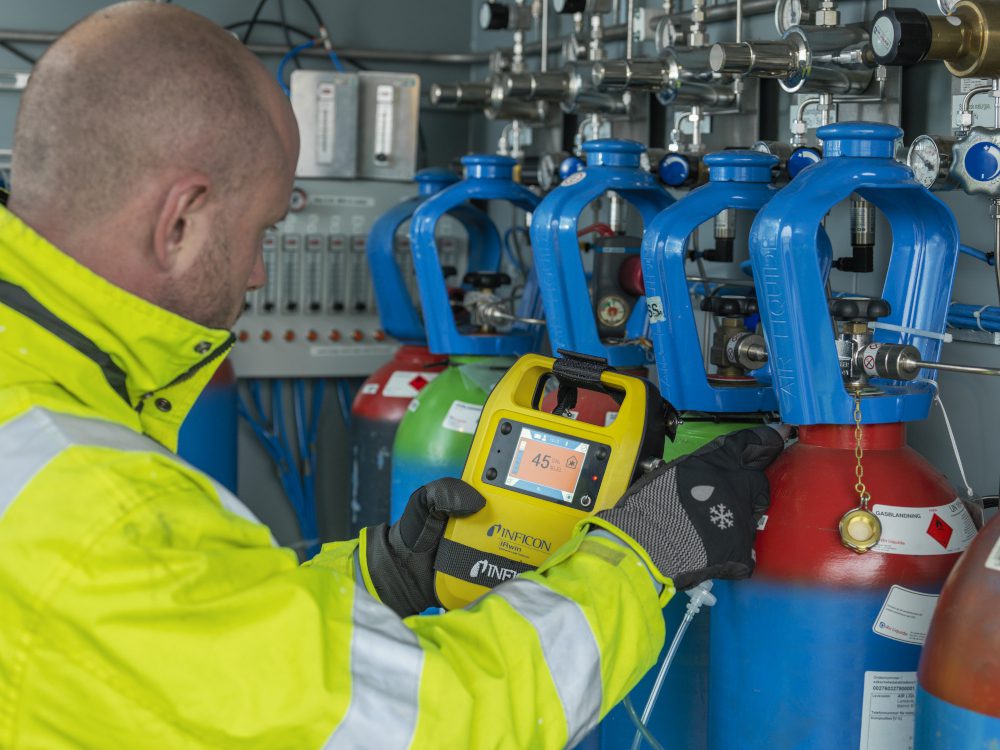
This is particularly urgent as the industry begins integrating hydrogen into gas systems. The energy landscape is undergoing rapid transformation. Digital tools, remote sensing, and advanced analytics are revolutionizing LDAR capabilities. Technologies once seen as futuristic, like drone-mounted sensors or satellite-based methane monitoring, are now part of operational tool kits. While these innovations improve detection and efficiency, they also introduced new challenges. Chief among them is ensuring that the equipment used in hazardous environments meets stringent safety standards. Methane leaks often occur at small,localized components that require technicians to physically enter hazardous areas. This direct interaction means handheld tools must be intrinsically safe.
The introduction of hydrogen into the grid complicates matters further. Unlike methane, hydrogen has a lower ignition energy and a wider flammability range. It also diffuses more easily, making it harder to contain and more likely to form explosive mixtures in confined spaces, for instance.
These properties necessitate a higher level of vigilance when it comes to equipment certification. Currently, three major systems govern explosion protection ratings worldwide: ATEX (used in the EU), IECEx (internationally recognized) and the North American Class/Division system. These frameworks classify hazardous areas and define what equipment can be used safely within them. For hydrogen-rich environments, the requirements are more rigorous. Equipment must be certified for Gas Group IIC under ATEX/IECEx or Group A under the North American system. This is the highest level of explosion protection. Another key consideration is the zone or division classification. Instruments used in areas where explosive gases are frequently or continuously present under normal conditions need Zone 0 or Zone 1 (ATEX/IECEx) or Class I, Division 1 (North America) ratings.
Many modern LDAR instruments, especially high-tech or remote models, are not certified for these high-risk zones. This can lead to dangerous assumptions, where advanced tools are deployed in environments they are not rated for, which exposes operations to legal, financial and safety risks. Temperature class is equally critical.
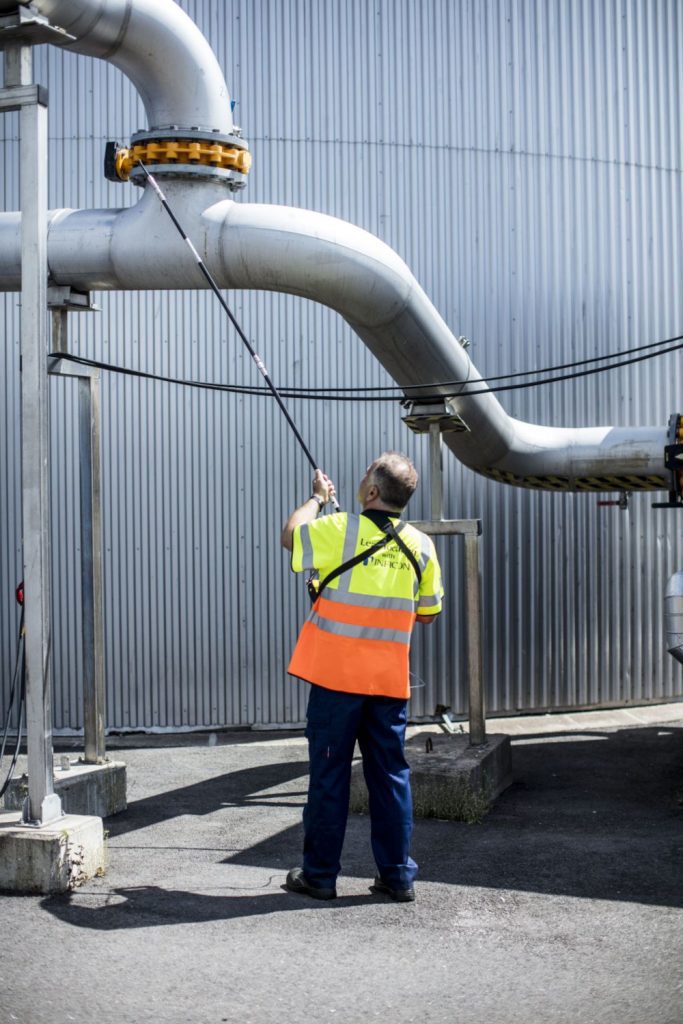
Hydrogen ignites at around 1040°F, so equipment must have surface temperatures well below this threshold. T3-rated equipment (with a maximum surface temperature of 392°F) is generally considered safe and provides a conservative safety margin for hydrogen applications. What complicates matters further is the longevity of LDAR instruments. Most devices are expected to remain in use for eight to 10 years. That means the purchasing decisions made today will shape operational safety well into the next decade.
Even if a company currently handles only methane, its grid could be hydrogen- blended in the near future. Equipment that isn’t certified for hydrogen may soon become obsolete, requiring premature replacement, or worse, presenting safety liabilities if misused. Investing in hydrogen-safe tools is not just about regulatory compliance, it’s a strategic decision that safeguards operational continuity.
Instruments with forward compatible certifications offer flexibility, reduce future capital expenditure, and enable seamless adaptation as the gas landscape evolves. Moreover, while remote sensing and predictive maintenance tools are reshaping how we think about leak detection, they do not eliminate the need for ground-level confirmation. A drone may spot an anomaly, or a sensor may flag a concentration spike, but human technicians still need to approach the leak site to verify and repair the issue.
At that moment, equipment safety ratings become crucial. If a device isn’t certified for the specific explosive atmosphere, it cannot legally or safely be used and the entire LDAR workflow breaks down. This is not merely a technical oversight; it has real-world consequences. Using non-certified equipment in explosive atmospheres, especially those involving hydrogen, can invalidate insurance, breach safety protocols and, in the worst-case scenario, trigger a catastrophic event.
The shift toward hydrogen is not hypothetical. Around the world, countries are advancing hydrogen production, infrastructure, and regulatory frameworks. Blending hydrogen into existing gas networks is already underway in many regions, and dedicated hydrogen pipelines are on the horizon. This evolution calls for a reassessment of equipment standards across the board.
As such, LDAR programmes must evolve. They must integrate safety as a core pillar, alongside emissions reduction and digital innovation. Safety certifications should be a top priority during procurement, not an afterthought. Teams must be trained to understand gas group classifications, zone requirements, and intrinsic safety standards.
Perhaps most importantly, organizations need to future-proof their technology stack to accommodate the inevitability of hydrogen. This dual focus on sustainability and safety is not just good practice; it’s essential risk management. In an industry where margins are tight and reputational risk is high, cutting corners on explosion protection is a false economy. The tools chosen today are the foundation for tomorrow’s resilience.
In conclusion, LDAR programs remain a cornerstone of modern gas infrastructure. As we transition toward a decarbonized future, they must expand their scope. Emissions detection must go hand-in-hand with robust safety protocols.
The integration ofhydrogen requires it. The longevity of equipment demands it. The safety of people working in potentially explosive environments depends on it. Forward-thinking companies will not only reduce methane emissions but will do so with equipment that is as safe as it is smart. Due to the race to reduce emissions, safety is not a secondary concern, it’s the foundation of success.